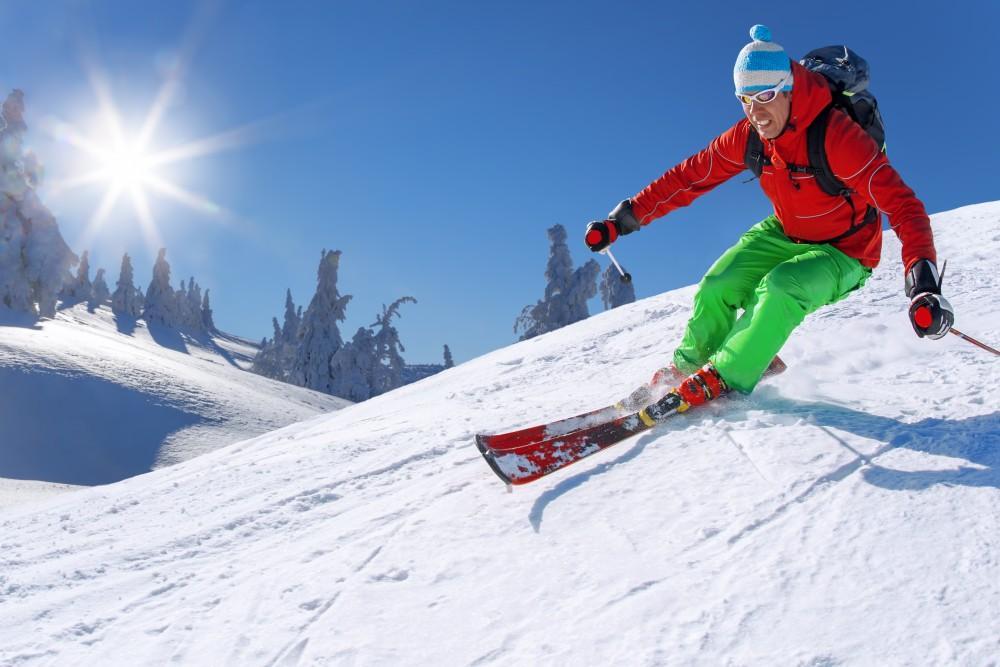
Are you looking forward to skiing, boarding, or skating? Winter sports are fun, but they’re physically demanding. It’s essential to prepare your body for that demand.
Our sports medicine specialists and board-certified orthopedic surgeons at Alpine Orthopedics & Sports Medicine want to help you avoid injuries on the slopes and ice. The following are tips for a successful winter sports season.
Condition your body for winter sports in advance
Snowboarding and skiing, whether downhill or cross-country, give your core and lower body an intense workout. They work muscles you may not use regularly.
Start preparing your body weeks before you plan to engage in rigorous winter sports. A week or two isn’t enough time to build the strength and endurance you need when sussing down a 12,000-foot slope. Begin specific conditioning exercises two months prior to your vacation.
Conditioning needed for winter sports
You don’t want to be exhausted after the first run down the slope. You need extra cardio, core, and lower-body strength along with finely-tuned balance.
Building cardio strength before intense winter sports
Building endurance is necessary before performing at high altitudes. Skiing and boarding are high-altitude sports where the air is thinner and drier than at sea level.
The barometric pressure drops at around 8,000 feet. Your lungs work harder to bring enough air into your body, and your heart works harder to oxygenate and circulate your blood.
If you haven’t prepared your body to be in peak condition, you’ll be short of breath and fatigue easily. That leads to accidents, as your form on the slopes becomes sloppy.
Include the elliptical or a stair-climbing machine in your workouts three times per week to build cardio endurance.
Building lower body strength for winter workouts
Whether it’s skiing, boarding, or skating, your quad, hamstrings, and glute muscles need to be charged and ready to go when you hit the slopes or ice. If you’re not prepared, your thighs feel like they’re on fire, and you may have trouble walking at the end of the day.
Squats or similar exercises like forward lunges or wall-sits are a “must” before fitting your boot into the skis or board. Aim for a minimum of three sets of 12-15 repetitions three times per week.
Build your core
When you ski, your lower body twists while your upper body should stay facing straight ahead. Strong muscles keep you stable and help protect your spine during these dynamic movements.
Planks, side planks, roll-ups, bird dogs, and rotational exercises all help to strengthen your core and develop stability and dynamic movement ability.
Building balance
Good balance is critical when engaging in winter sports. As an intermediate or expert skier, you may be going 20-35 miles per hour down a groomed slope. As a skater, you need to turn on your blades without falling.
Balance training is essential to help avoid winter sports injuries. Single-leg stands, wobble boards, single-leg hops, and lateral hops are all good choices to improve and fine-tune your balance.
Just before hitting the slopes or ice
Don’t forget warm-ups before hitting the slopes. Before putting on your bibs, stretch your muscles by doing leg swings and hip circles. Roll the ankles, knees, and shoulders to get the blood flowing.
Our physicians at Alpine Orthopedics & Sports Medicine can provide tips on injury prevention at your appointment. Call Alpine Orthopedics & Sports Medicine or book an appointment online today for a pre-season physical to ensure your health.